5 Everyday Words Computing Took Over
Spam, cookies, avatars, and trolls all meant something completely different before computers got hold of them.
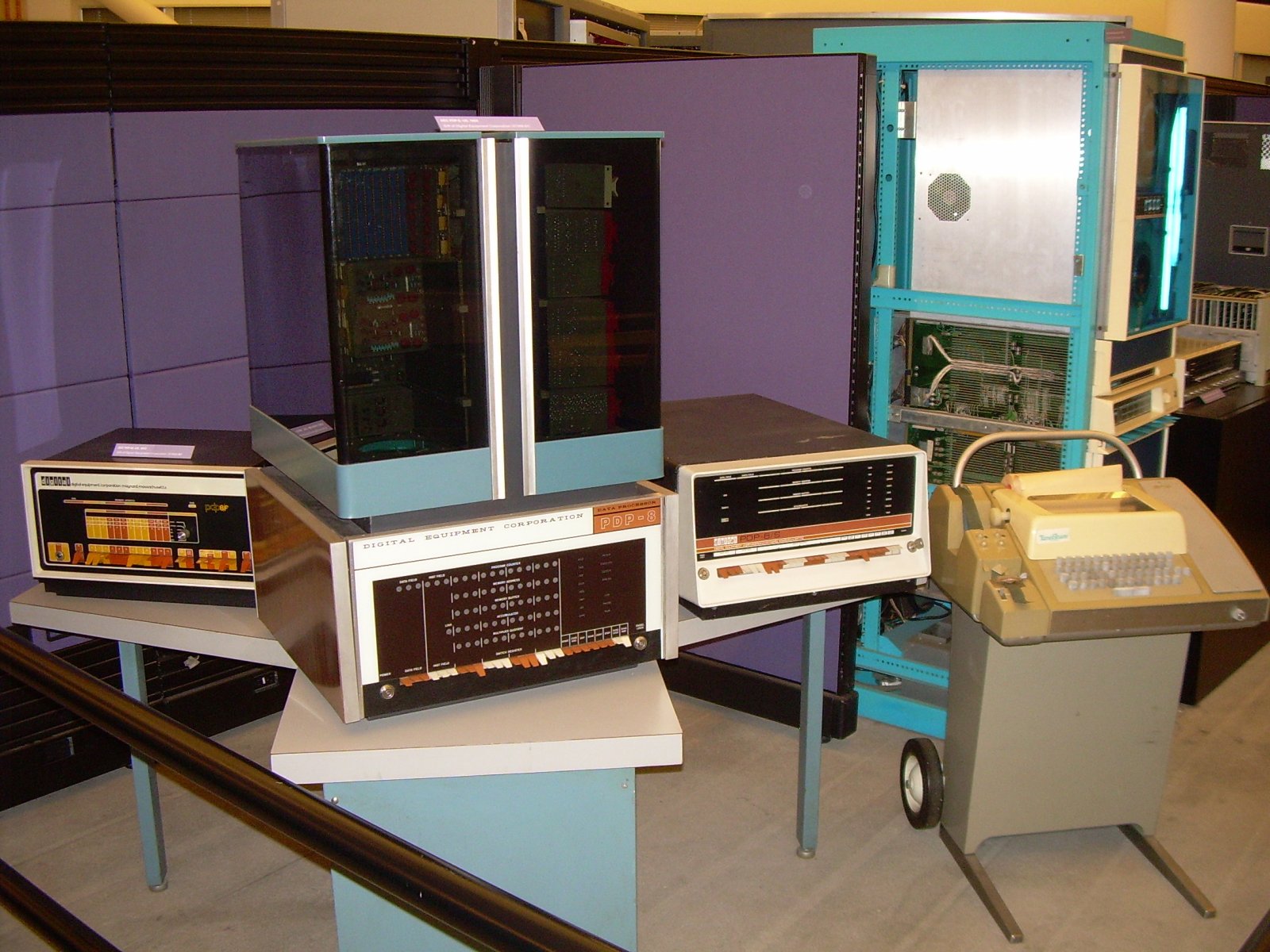
Photo: Computer History Museum / Flickr — CC BY-SA 2.0
Plenty of ordinary words got repurposed by computing culture, then leaked back out into everyday language with a completely new meaning attached.
-
Spam — Named after the 1970 Monty Python sketch where a group of Vikings drown out a menu recitation by singing "Spam, spam, spam, spam" over and over. Early online communities in the 1980s and '90s borrowed the word for any message that drowned out a conversation by repeating itself: in chat rooms and bulletin boards, users repeated "Spam" enough times to scroll everyone else's text off the screen. By the early 1990s the word had settled on Usenet's flood of unwanted posts, and it stuck to unwanted bulk email for good. The first documented unsolicited commercial email had gone out years earlier: Gary Thuerk sent an advertisement for Digital Equipment Corporation computers to 393 recipients on ARPANET on May 3, 1978.
-
Cookie — Before it meant a small file a website stores in your browser, "magic cookie" was already old Unix jargon (in use since at least 1979) for a small chunk of data passed between programs that neither needed to understand, just hand back when asked. Web cookies, introduced by Netscape programmer Lou Montulli in 1994, borrowed the term directly. They solved a very practical problem: MCI wanted a virtual shopping cart without storing every customer's state on its own servers. Netscape Navigator 0.9beta shipped with cookie support on October 13, 1994, but most people only heard of them in 1996, after a Financial Times article set off a privacy debate.
-
Avatar — In Sanskrit, an avatar is a deity's incarnation on Earth. The word entered computing in 1985 through the game Ultima IV, whose creator Richard Garriott wanted players to feel morally responsible for their on-screen characters, and reached online worlds with Lucasfilm's Habitat in 1986. (An earlier game on the PLATO system, from 1979, was also called Avatar.) The usage was popularized further by Neal Stephenson's 1992 novel Snow Crash, whose acknowledgments note that the word had already been in use in Habitat for years.
-
Troll — Long before it meant a mythical creature under a bridge, "trolling" was a fishing technique: dragging bait slowly behind a boat to see what bites. Usenet and early bulletin-board users most likely borrowed the fishing sense — not the monster — for posts deliberately designed to provoke a reaction, though the first use is disputed. The earliest use of the internet sense that the Oxford English Dictionary cites dates from 1992. The original game was gentler than today's: on the newsgroup alt.folklore.urban, "trolling for newbies" meant veterans posting an overdone topic on purpose, to see which newcomers would answer in earnest while insiders recognized the joke. Only later in the 1990s did the word slide toward harassment.
-
Meme — Richard Dawkins coined "meme" in his 1976 book The Selfish Gene, from a Greek word meaning "imitated thing," to describe an idea that spreads between minds the way a gene spreads between bodies. His examples were tunes, catchphrases, fashion and the technology of building arches — years before the internet existed to prove his point better than he could have imagined. He has since said that an internet meme is something different from his original idea, because people deliberately alter it rather than letting it change by random mutation.
Language doesn't care where a word came from. It just needs somewhere useful to go.