The Demo That Invented Half the Things on Your Desk
In 90 minutes in 1968, one presentation showed off the mouse, hypertext, video conferencing, and word processing — decades before any of it was normal.
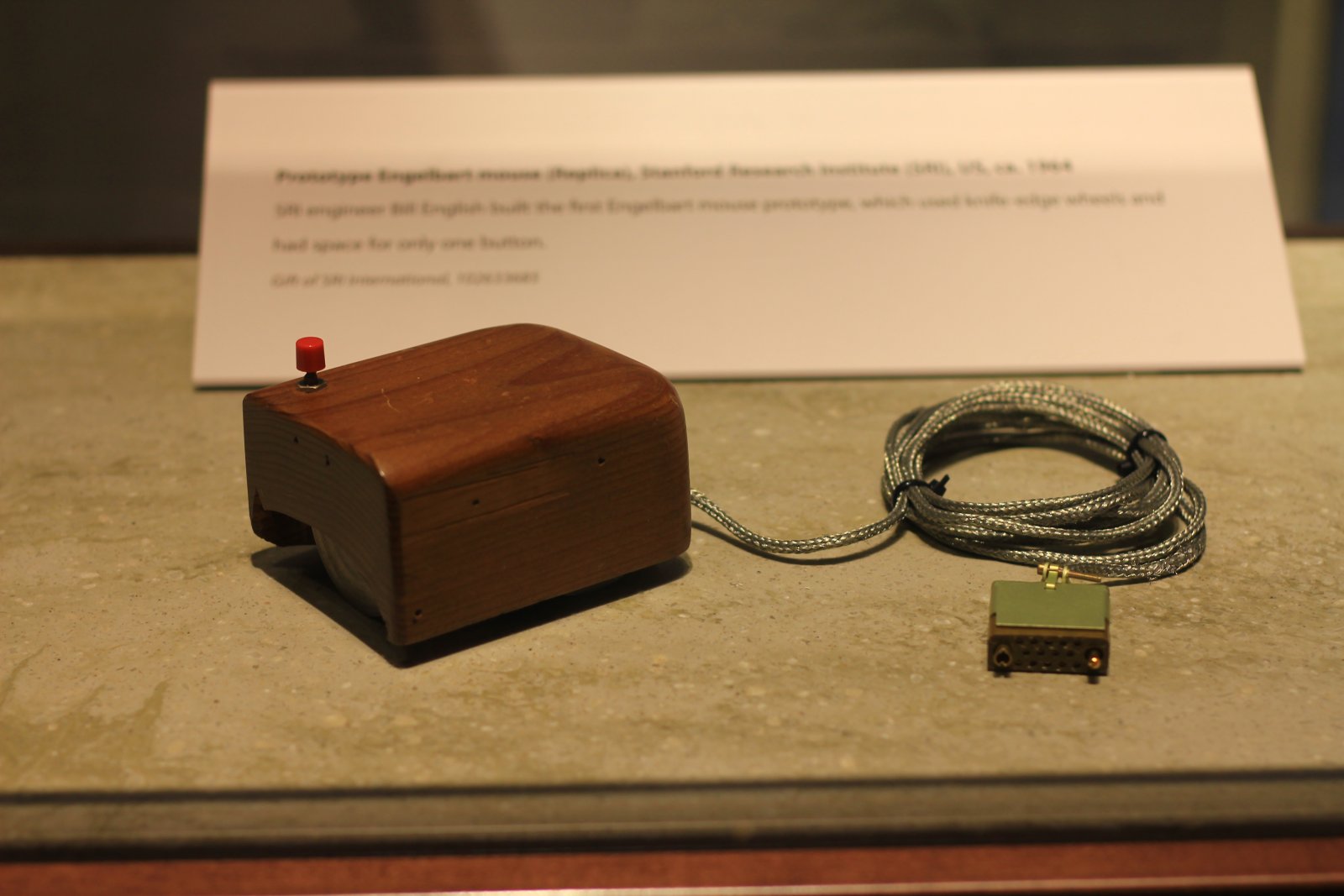
Photo: Computer History Museum / Flickr — CC BY 2.0
On December 9, 1968, in San Francisco, a researcher named Douglas Engelbart sat at a custom console in front of a live audience of about a thousand computer scientists and gave a 90-minute demonstration that later became known, only half-jokingly, as "the Mother of All Demos." It took place at the ACM/IEEE Fall Joint Computer Conference, and the name came later, from Steven Levy's 1994 book Insanely Great.
In one sitting, Engelbart showed: a computer mouse (his own invention, carved from wood); windows on a screen that could be resized and rearranged; hypertext links connecting documents; real-time collaborative text editing between people in the hall and colleagues at his lab in Menlo Park, linked by microwave; and a live video call overlaying his own image onto the screen he was working on. This was 1968 — the Apollo missions were still underway, and most computers in existence filled entire rooms and were operated via punch cards.
The whole system was called NLS, for oN-Line System. Getting it onto a stage took some engineering: customized modems sent data at 1,200 baud down a leased line to Menlo Park, and two microwave links carried the live, two-way video. Bill English directed the technical side from the hall, while Jeff Rulifson and Bill Paxton worked remotely from the lab. A young Stewart Brand, who later edited the Whole Earth Catalog, was a camera operator. NASA and ARPA paid for the research.
None of it was a trick or a mockup. Engelbart's lab at the Stanford Research Institute had built working versions of nearly every piece over the previous decade, largely because Engelbart believed — well before it was a popular idea — that computers should be tools for augmenting human thought and collaboration, not just number-crunching machines for specialists. The audience gave him a standing ovation.
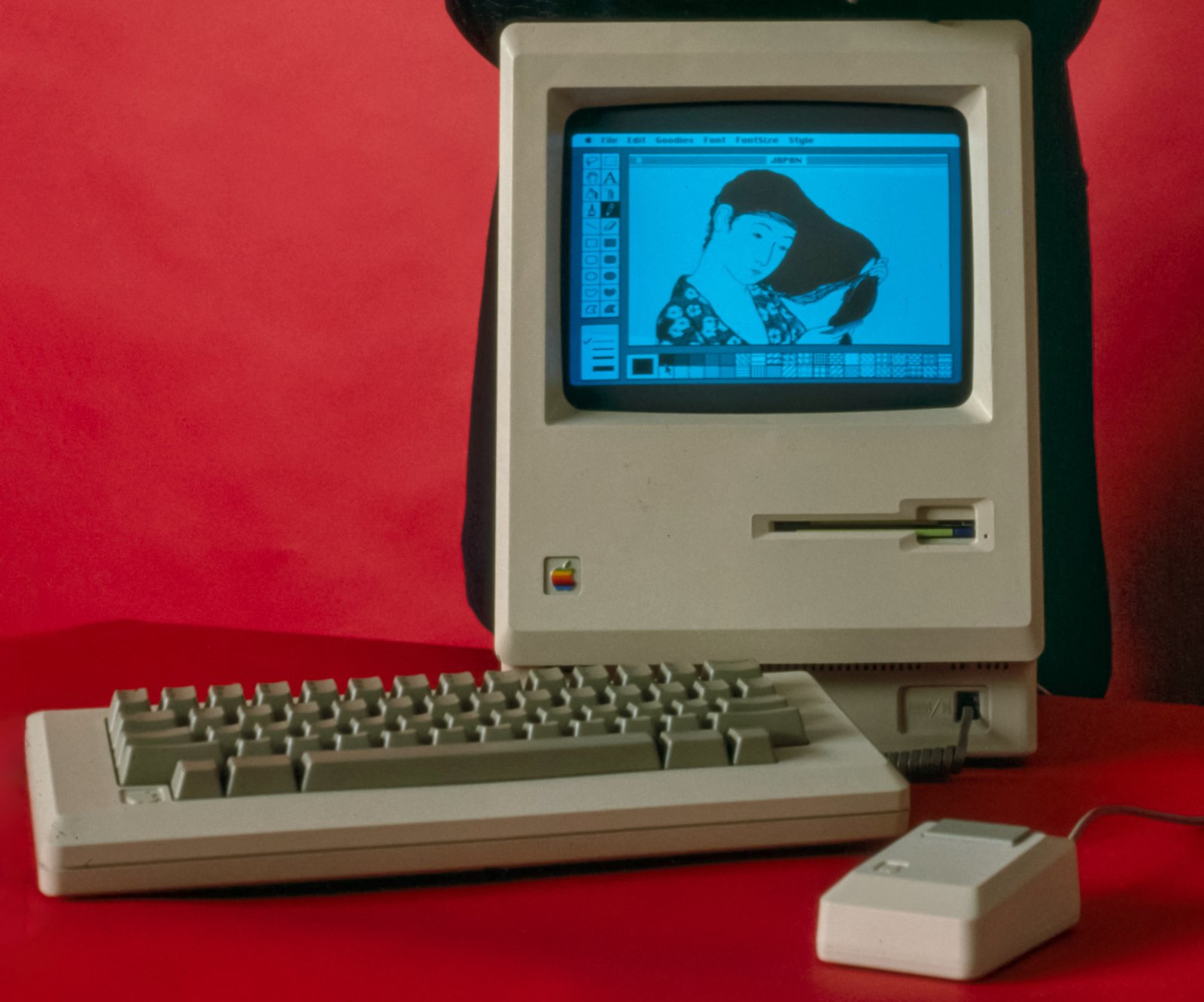
It would take many years for the mouse, windowed interfaces, and hypertext to reach ordinary desks, largely by way of Xerox PARC and then Apple. Many of Engelbart's team later moved to Xerox PARC themselves. But the blueprint — nearly all of it — was sitting on a stage in 1968, demoed live, once, by a single team.