Ally Pally at 90: The Palace That Switched On Television
On November 2, 1936, the BBC started a regular TV service from a Victorian palace in north London, with two rival systems taking turns, week about, decided by a coin toss.
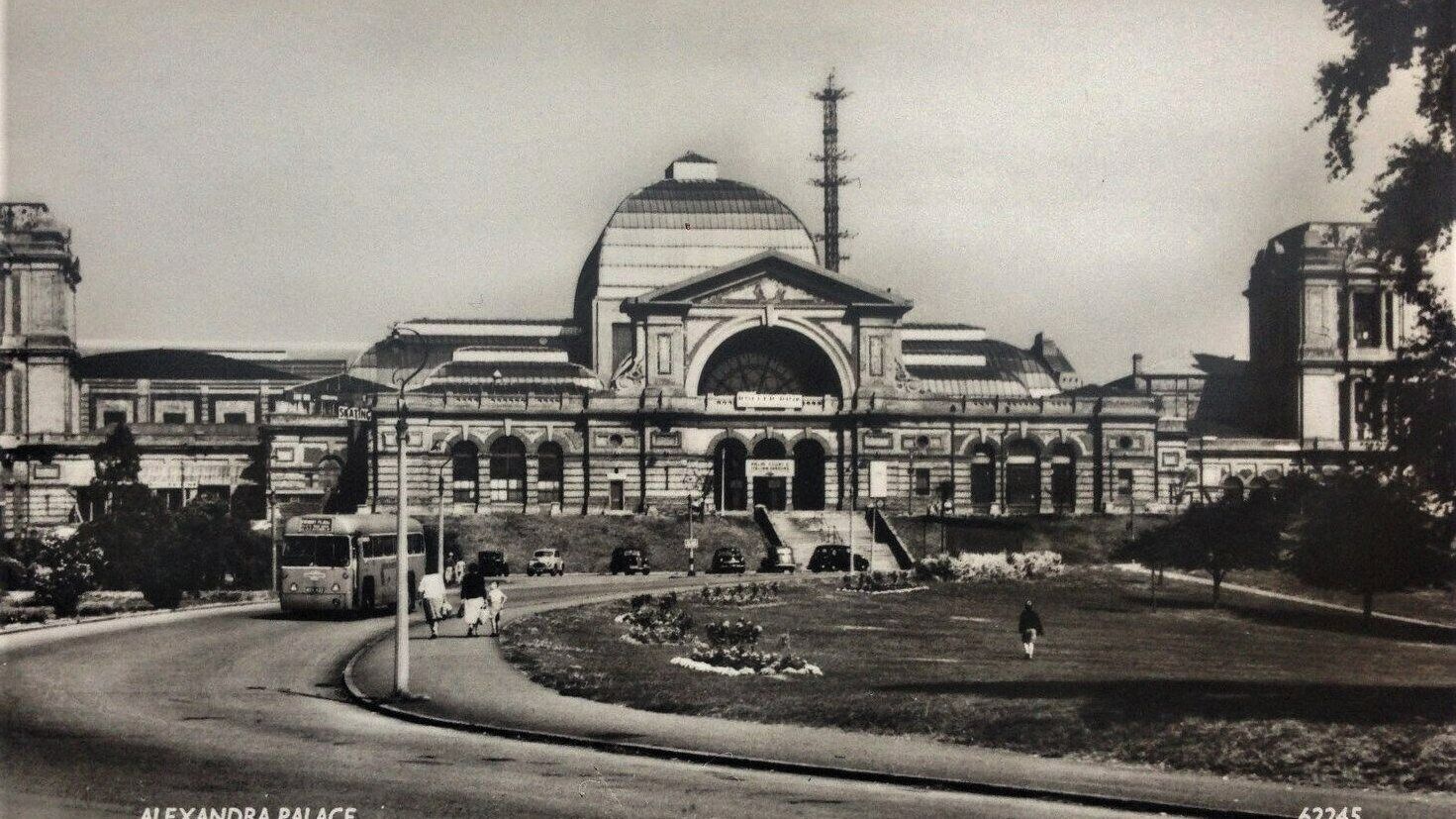
Postcard: Alexandra Palace, London, via Mark Crombie / Wikimedia Commons — public domain
On the afternoon of November 2, 1936, an announcer called Leslie Mitchell looked into a camera in a converted wing of Alexandra Palace in north London, and the BBC Television Service was on the air. It's usually called the world's first regular "high-definition" television service. That claim needs a footnote, and the rest of the story needs a few more.
The palace. "Ally Pally" was a Victorian people's palace on a hill. In 1935 the BBC leased part of it for studios and a transmitter, and the mast it built there still stands. The site is the oldest television transmission site in the world.
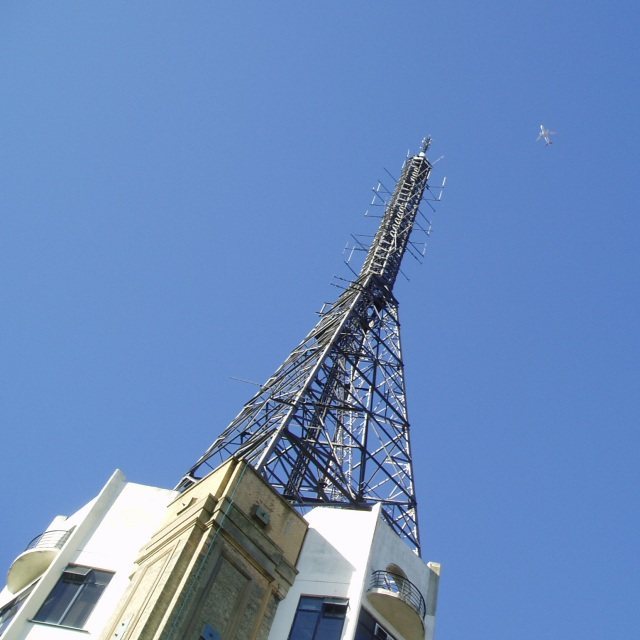 The mast the BBC built in the 1930s is still there. Photo: Hywel Williams, via Wikimedia Commons — CC BY-SA 2.0.
The coin toss. Two companies wanted to build Britain's television, and the BBC couldn't choose. John Logie Baird's system made 240-line pictures, partly using film shot and developed on the spot. Marconi-EMI's was fully electronic, with 405 lines. So the BBC ran both, one each week, and a coin toss decided which went first. Baird won the toss and lost the war. His system was cumbersome and looked worse, and it closed down for good on January 30, 1937.
The first night. The opening hour ran from 3 to 4 p.m.: speeches, a newsreel, and a variety show. The musical-comedy star Adele Dixon sang a song written for the occasion, called "Television." The American dancers and comedians Buck and Bubbles performed too, and Wikipedia's account of the day counts them as the first Black performers ever seen on television. Viewers were called "lookers-in." Programs were kept short because staring at the tiny screens was found to cause eye strain.
The footnote. "World's first" depends on your definition of high. Germany had started a regular 180-line service in Berlin in March 1935. What the BBC could claim was the first regular service at the new, sharper standard.
The audience. Officially the signal reached about 40 kilometers from the palace. In 1938, engineers at RCA picked it up in New York. By the war, an estimated 25,000 to 40,000 homes had sets.
The interruption. On September 1, 1939, the service shut down with little warning: the government feared the transmitter would guide enemy bombers to London. Popular memory says it cut off in the middle of a Mickey Mouse cartoon. In fact Mickey's Gala Premier played to the end and was followed by test transmissions. During the war the transmitter found a new job, jamming the radio beams German bombers navigated by.
The comeback. Television returned on June 7, 1946. The announcer Jasmine Bligh opened with "Good afternoon, everybody. How are you? Do you remember me, Jasmine Bligh?" About twenty minutes later, the BBC showed the same Mickey Mouse cartoon again.
Ninety years on, the mast is still there, and the old studios are used to display early television equipment. It's a good place to stand and remember that TV began with two rival inventors, a coin and a cartoon mouse.
Sources
- First day of BBC television — Wikipedia
- BBC Television — Wikipedia
- Alexandra Palace — Wikipedia
- Alexandra Palace television station — Wikipedia