Spotlight: The Third Man (1949)
A zither, a sewer chase, and the best entrance in film noir — Carol Reed's postwar Vienna thriller still holds up completely.
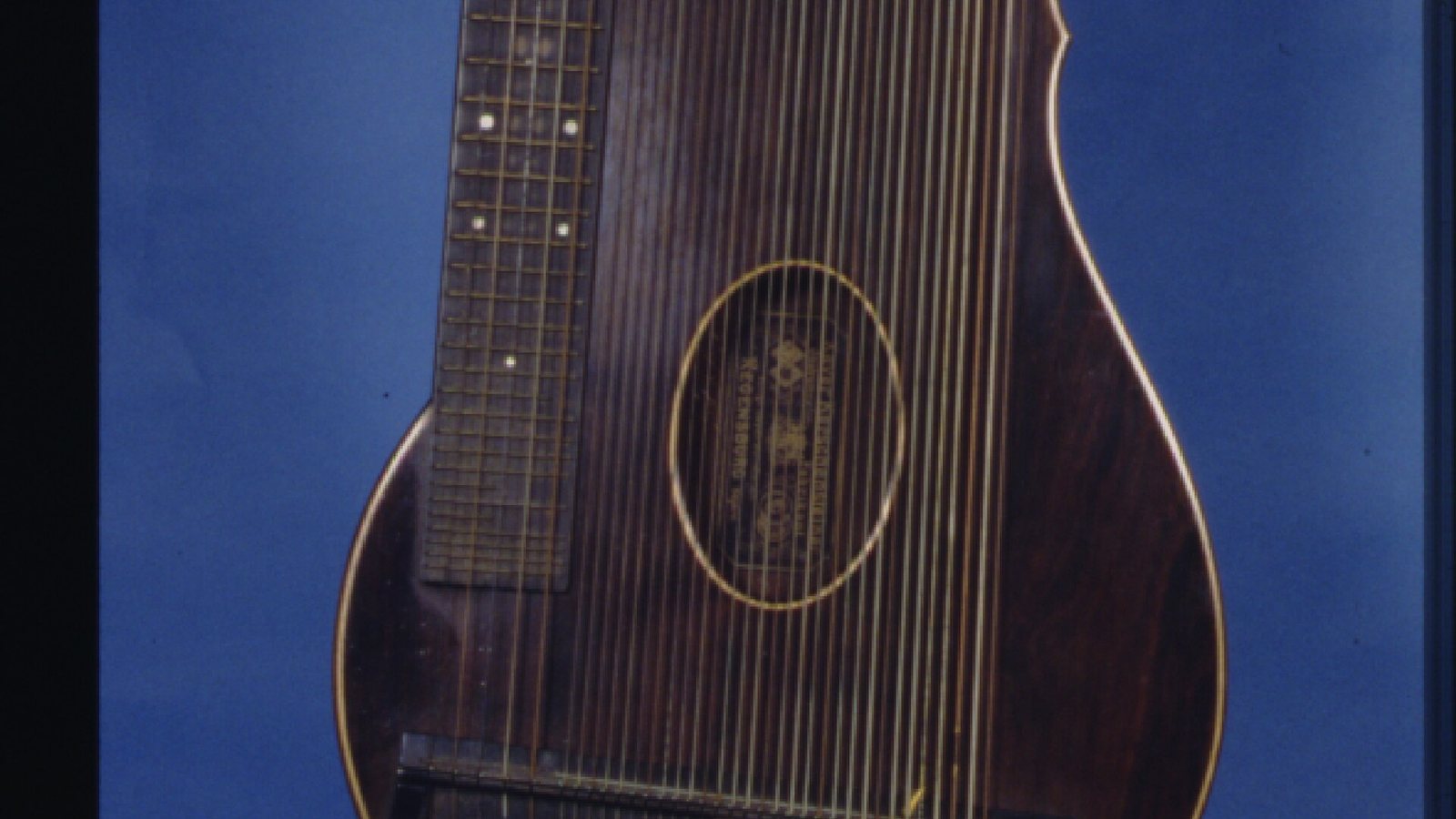
Photo: Auckland War Memorial Museum (Regensburg zither, c. 1850), via Wikimedia Commons — CC BY 4.0
Carol Reed's The Third Man drops an American pulp novelist, Holly Martins, into occupied postwar Vienna to find out why his old friend Harry Lime has turned up dead. The city — still rubble in places, carved into Allied occupation zones — does as much acting as anyone in the cast. Cinematographer Robert Krasker shot much of it at tilted "Dutch angles", giving the whole film a permanent, quiet sense that something's wrong, even in scenes where nothing is happening.
The story began on the page. Graham Greene wrote a novella as a treatment for the film, then developed the screenplay with Reed, producer Alexander Korda and, as the script changed during shooting, Orson Welles himself. Greene later confirmed that the famous speech about Swiss cuckoo clocks, delivered on the Ferris wheel, was Welles's own addition.
The score is just one instrument: a zither, played by a Viennese musician named Anton Karas whom Reed reportedly discovered playing in a local wine garden. Reed brought him to London for six weeks. It shouldn't work for a noir thriller. It's one of the most recognizable film scores ever recorded, and the theme spent 11 weeks at number one on the Billboard chart in 1950.
And then there's the entrance. Harry Lime — presumed dead for the first hour of the film — is revealed in a single doorway shot, lit for two seconds by a window opening across the street, wordless, grinning, before vanishing again. Orson Welles, who plays him, is in the film for maybe eight minutes total. It doesn't matter. Ask anyone who's seen it what they remember, and that doorway is usually the first thing they say.
The film won the Grand Prix at the 1949 Cannes Film Festival (the top prize, renamed the Palme d'Or in 1955), and Krasker won the Academy Award for Best Cinematography. It also kept its unsentimental ending: producer David O. Selznick wanted something happier, and Reed insisted on the ambiguous funeral scene. In 1999 the British Film Institute ranked it the greatest British film ever made.
Watch it if: you like your thrillers slow-building, your morality gray, and your zithers unreasonably good.
Sources
- 1949 Cannes Film Festival — Wikipedia